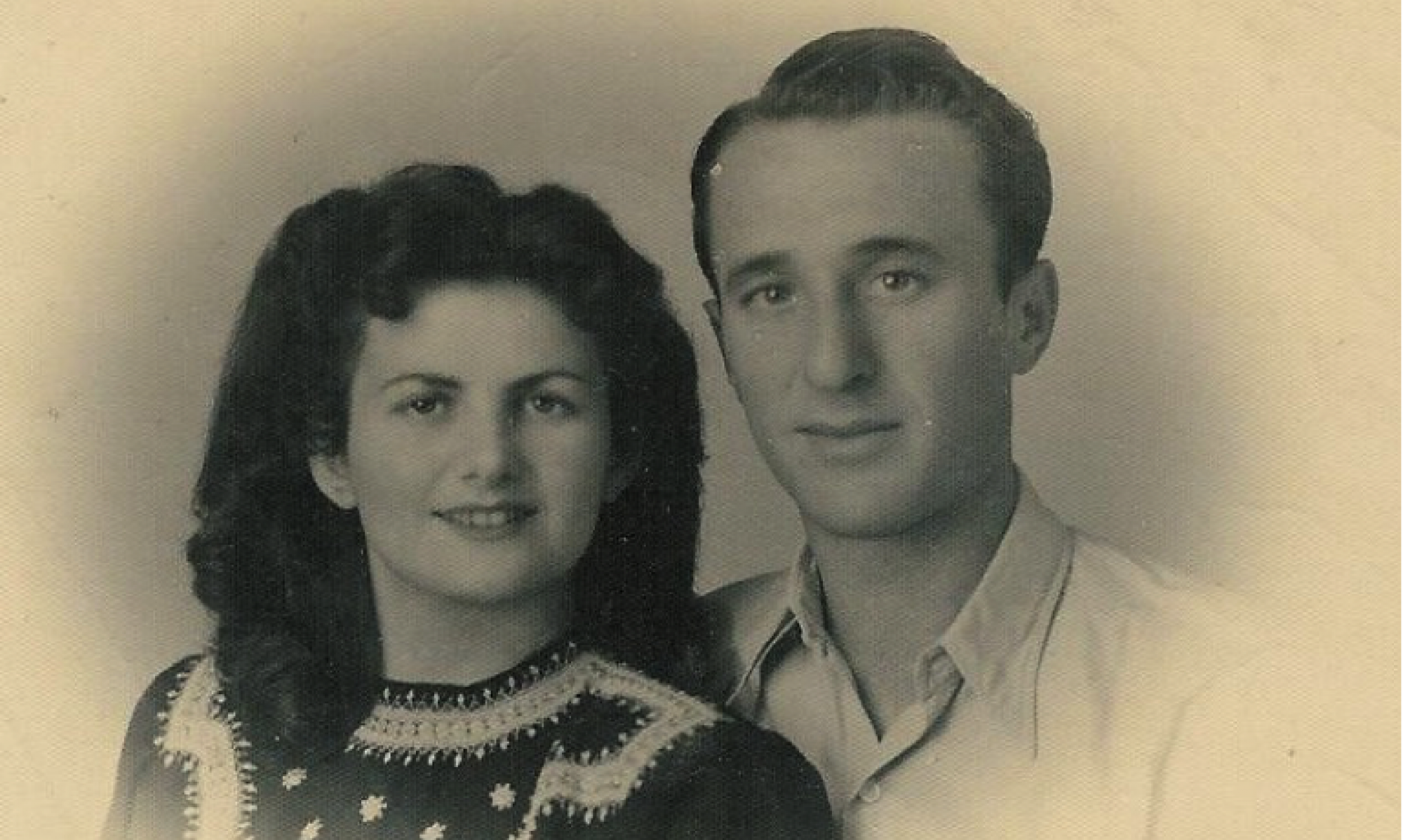
לאחר נישואינו גרנו בדירה שכורה בתל אביב. אני המשכתי לעבוד במשרד החקלאות בעוד שצבי התנסה בעבודות שונות תוך שימוש ברישיון הנהיגה שרכש בזמן שירותו הצבאי. הוא נהג משאיות במרחבי הארץ, ארגון קופרטיבי של משוחררי צהל, נהג טקסי בעיר, ועבד בחלוקת מוצרים במפעל המזון של פרימן. עבודות שלא היה בהם גירויי אינטלקטואלי וסיפוק, אולם הביאו הכנסה טובה.
After our wedding we lived in a rented flat in Tel Aviv. I continued to work office of agriculture, while Tzvi tried his hand at different jobs, making use of his driver’s license that he had got during his military service. He would drive trucks up and down the countryside, working for a cooperative of discharged IDF soldiers, drove a taxi in the city, as well as delivering food items for the Freeman, a food producer. While his jobs did not stimulate his intellect or provide much satisfaction, they did provide a sizable income.
כשהחלטנו על רכישת בית משלנו והתחלנו לחסוך בהוצאות, עברנו לגור ברמת גן בביתם של בלהה ויחיאל, הוריו של צבי. שילמנו תשלום ראשוני על הדירה בשיכון העממי בגבעתיים שעדין הייתה רק בגדר תכנית על הניר, ויעברו עוד כ 3 שנים עד שרגלינו ידרכו במפתן הבית.
When we decided to buy a home of our own, and tried to save money, we moved in with Tzvi’s parents Bilhah and Yehiel. We were able to save up for a down-payment on a flat in Givatayim, which at that point was off-the-plan, and more than three years passed until we were able to set foot in the home.
לא עבר זמן רב ונכנסתי להריון, שהיה קשה במידה רבה. ההיריון הסתים בלידה בטרם עת של בת שכבר היה לי שם בשבילה, אולם היא נפטרה תוך מספר ימים, משאירה אותי המומה ודואבת.
Not a long time passed, and I became pregnant, which was particularly difficult. When the baby girl was born, I had a name for her, but she passed away only a few days later, and I was left in shock and pain.
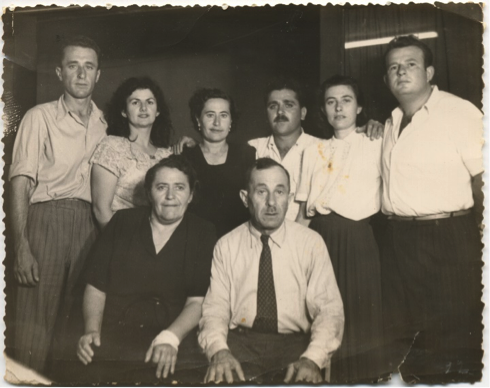
בני משפחתו של צבי – הוריו יחיאל ובלהה, אחיותיו לאה ועליזה, ובעליהן מרדכי והרצל – Tzvi’s family, his parents (front row) Yehiel and Bilhah; (and from right standing) Mordekhay (brother in law) and Aliza (sister), Hertzel (B-I-L) and Leah (sister); and ofcourse me and Tzvi
החלטנו לעבור לדירתו הריקה של צבי אחי שבשכונת פרדס כץ, ולהמתין עם הריונות וילדים עד שנעבור לבית משלנו. ואכן בתחילת 1954 הסתימה הבניה בשכונה ונכנסנו לביתנו שלנו, לדירה ברחוב יצחק שדה, בשכונה עם אוכלוסייה מעורבת של ותיקים ועולים חדשים, רובם ניצולי שואה. אבל את כלם איחדה אז השאיפה המשותפת להתחיל בחיים חדשים. ולא עבר זמן רב והבתים החלו להתמלא בקולות של תינוקות. וגם אני כבר הייתי בהריון, ובחורף, ינואר 1955 נולד בבית החולים בכפר סבא, בני הראשון, יונתן, שלימים נודע בשם החיבה יוני.
We decided to move to my brother’s empty flat in the neighbourhood of Pardes Katz, and to wait for pregnancy and kids until we moved to a new home of our own. In the beginning of 1954 building had come to an end and we were able to go to our new home, on Yitzhak Sadeh Street, in a neighbourhood with a mixed population of old folks and new olim, mostly holocaust survivors. Everyone was united by the aspiration to start life anew. Not a long time passed, and all the homes began to fill with the voices of newborns. I too was pregnant at this point, and in the winter of 1955, on the 24th January my first son, Yonatan, was born; he later came to be known by the name Yoni.
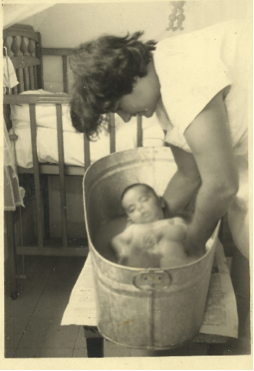
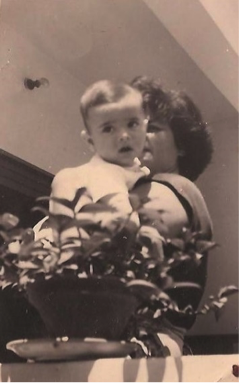
הפסקתי לעבוד במשרד החקלאות והייתי לאימא במשרה מלאה. החיים בשכונה היו נעימים וביילתי הרבה עם קבוצת אימהות לילדים בגילו של יוני, ולא חסרו כאלו בשכונה. גידלתי פרחים בחזית הבינין וירקות מאחור. עצי גויאבה ושסק שהיו אז במודה נטעו בכל פינה והפיצו ריחות חזקים בעונת הפרי. וכמובן לא ויתרתי על אהבתי לבעלי החיים, כך שגם בדירה הקטנה תמיד גידלנו כלבים , חתולים, צבים, דגים ואף קיפוד.
I stopped working at office of agriculture and became a full-time mother. Life in the neighbourhood was pleasant, and I spent much time with the groups of mothers who children of a similar age to Yoni, and there was no shortage of those in the neighbourhood. I grew flowers out the front of the house, and vegetables in the back. Guava and loquat trees, then in fashion, were planted in every corner and gave off a pleasant fragrance. I of course never gave up on my love for creatures great and small, such that even in our small apartment we had dogs, cats, turtles, fish and even a hedgehog.
בגיל 3 יוני החל לבקר בגנון יהודית שבקצה הרחוב, ושנה אחרי כן כבר ילדתי את ביתי, רונית, בבית חולים השרון שבפתח-תיקווה
When Yoni was three, he started attending the Yehudit Creche, at the end of our street. A year later I gave birth to my daughter Ronit, in the Sharon Hospital in Petah Tikva.
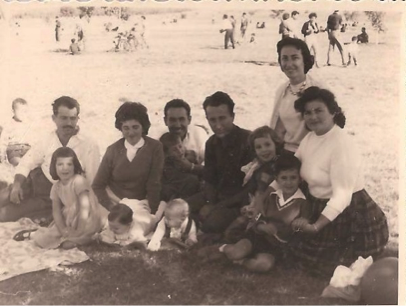
פיקניקים בפארק, עם המשפחה ועם חברים היו מאד פופולריים ונערכו לעיתיים קרובות. – picnics in the park, with family and friends were very popular
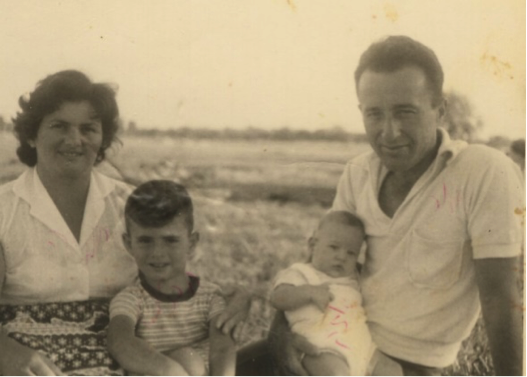
פיקניק עם חנה וגדליה, שרה ומאיר עוד ליפני שהיגרו לאמריקה, וכל הילדים – picnic with Hannah and Gedaliah, Sarah and Meyer before they migrated to America, and all the children
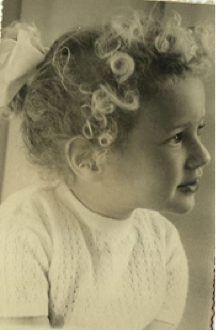
רונית כבר בת 3 – Ronit at age 3
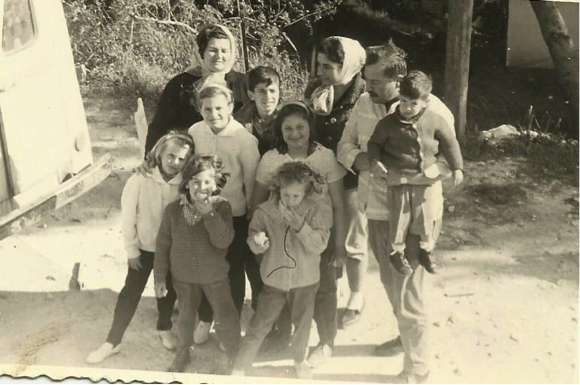
ביקור במנרה אצל הרצל וסימה, וילדי משפחות סגל וטופר – a visit to Menara to see Hertzel (Tzvi’s brother) and Sima (sister in law), as well as the Segal and Topper children
צבי המשיך לחפש רעיונות לעסקים חדשים והחל ללמוד בערבים חשבונאות, כאשר יום אחד מרדכי טופר, גיסו בא אליו עם רעיון ליצר תוסף לצבעי הסיד שימנע נשירת הסיד ואבק מהקירות, צבי חשב שיש למוצר שוק, וכך קמה לה השותפות. מרדכי החל לעבוד על הנוסחה הכימית בעוד שצבי התמקד במימון ובשיווק, ולמוצר החדש ניתן הכינוי זה-לסיד שלימים יהיה גם לשם המפעל ז’לסיד.
Tzvi continued to search for new ideas for businesses, and began to learn accounting in the evening, when one day his brother-in-law, Mordekhay Topper, came to him with a suggestion to create a (lime) paint supplement that would prevent the corrosion of painted walls; Tzvi felt that this was a product that could be marketed, and this is how partnership was created. Mordekhay began to work on the chemical formulation, while Tzvi worked on fund-raising and sales. The product got its name Zelasid (this is for lime), which eventually served as the eponym of the company (Z’elasid).
תחילת היצור נעשתה בצריף קטנטן בחצר האחורית של יחיאל ובלהה, שבינתיים עברו לגור בקרית-ישראל. ומה שהחל כעסק משפחתי זעיר, הפך תוך זמן קצר לעסק משגשג, ולמרות שהתחרות כנגד החברות הגדולות, טמבור ואסקר הייתה לעיתים מורטת עצבים. לא עבר זמן רב ומוצרים חדשים נוספו, הצריף הוגדל ואף פועל גויס ליצור.
At the beginning the production took place in a small shack in the Yehiel and Bilhah’s backyard, that had at this point moved to live in Kiryat-Yisrael. What began as a small family business, became in a short time a successful business, despite much nerve-wracking competition from bigger companies such as Tambur and Asker. In the meanwhile new the product-line expanded, the shack was enlarged, and a full-time worker was engaged.
שילוב מוצלח בין יצור מוצרים חדשניים עם ניהול ושיווק מקצועי הפכו את ז’לסיד לעסק מצליח ביותר. תוך מספר שנים קצר מיבנה חדש נקנה באזור התעשייה של קריית-אריה שבפתח-תיקווה, וטנדר וויליס חדש החליף את המורייס העתיקה.
There was a successful synergy between product development, management and professional marketing which meant that Z’elasid became a successful business. Within a few short years a new building was bought in the industrial are of Kiryat-Aryeh in Petah-Tikvah, and a new Willis truck replaced the ancient Morris.
הויליס החדשה – the new Willis vehicle
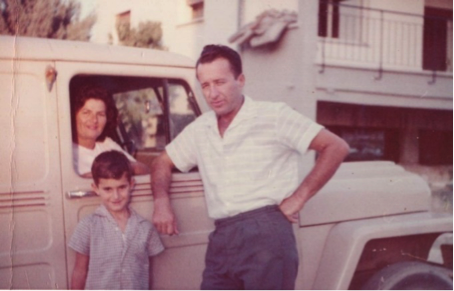
בגן ע”ש קורצ’אק בגבעתיים – in the park (named after Janusz Korczak) in Givatayim
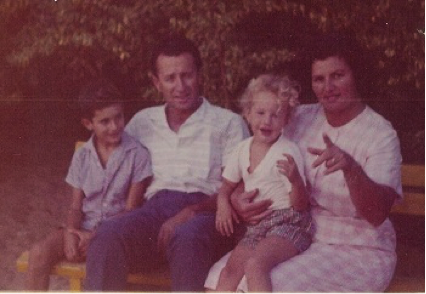
וכבר לא היה יותר צורך להידחק, שתי משפחות במכונית קטנה אחת בכדי לטיל לשפת הים בימי הקיץ החמים.
Now there was no longer a need for two families to squeeze into a small car in order to get to the beach on hot days.
ובאמצע שנות הששים כשרונית החלה ללכת לגן החלטתי לחזור לאהבת נעורי וללמוד אמנות, אבל מתוך כיוון מעשי, בחרתי בגרפיקה שימושית ותולדות האמנות, במכללת תל אביב. שם למדתי כשנתיים בהנאה מרובה.
In the mid-60s, when Ronit began crèche, I decided to return to the love of my youth, and began to learn art, but with a practical direction, I chose to learn applied graphic art and about the origins of art, in an art academy in Tel Aviv. There for two years I learned with much joy.
בינתיים ז’לסיד התפתחה והתקדמה, וכשרונית החלה ללמוד בכיתה א, הצטרפתי לצבי והתחלתי לעבוד כמזכירה ומנהלת החשבונות במפעל, ושם נשארתי לעבוד עד שהמפעל נימכר ויצאנו לפנסיה .ב1987.
In the meanwhile, Z’elasid developed and progressed, and when Ronit commenced her first grade in school, I joined Tzvi and began to work as a secretary and financial controller of the factory, and there I stayed to work until we sold the factory and retired in 1987.
במשרד של מפעל ז’לסיד – in the Z’elasid office
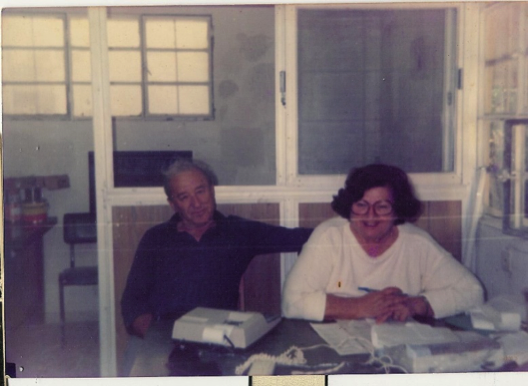
במשך השנים ראינו את המפעל גדל ומתרחב, עם מגוון רחב של מוצרים ושל קליינטים מהשוק היהודי והערבי. דרך סוחר ממזרח ירושלים שיווקנו צבעים למדינות המפרץ, ועם אחד מסוחרי עזה הגדולים היו לנו יחסים כל כך קרובים, שבכל יום חמישי הוא היה בא למפעל, ממלא את המשאית בסחורה, ואז בא לביתנו לארוחת צהרים מאוחרת. וכשילדיו התחתנו, הוזמנו ונסענו לעזה לחתונה. וכשהדוד שמש התקלקל, הוא התקין לנו דוד חדש מתוצרת מפעלו בחינם.
In those years we saw the factory grow and expand, with a wide variety of products, and clients from both the Jewish and Arab sectors. Through a merchant in East Jerusalem we were able to export paint-products to the gulf states, and with one of the biggest merchants in Gaza we had such close relations that every Thursday he would come to our factory load up his truck with products and then enjoy a late lunch at our place. When his children were married we were invited to attend the weddings in Gaza. When our solar hot water system had a fault, he replaced it with one of his company’s own free of charge.
העסקים שגשגו, ורמת חיינו השתפרה לעין ארוך. וכשב 1966חברת שיכון עובדים הוציאה למכירה בתים קטנים צמודי-קרקע בשכונה החדשה, ברמת-אפעל, הצלחתי סוף סוף להגשים את חלומי הישן. אולם אז פרץ המיתון, ולאחר מכן מלחמת ששת הימים, כך שהמעבר לבית החדש התעכב עד 1968.
As business succeeded our quality of life improved tremendously. When in 1966 new plots of land with houses were put up for sale in Ramat-Ef`al, I was finally able to fulfil my old dream. However, with the outbreak of the War-of-Attrition and later the Six-Day-War, our home was only ready to be moved into in 1968.
אני עדין זוכרת את אירועי מלחמת ששת הימים והתקופה שאחרי, כיצד חפרנו עם הילדים שהיו אז בני 12 ו 8 את השוחה מאחורי הבית, ומילנו שקי חול לדפן מסביב, וכיצד הדבקנו סרטי ניר דבק על החלונות. ואכן באחד מערבי המלחמה הירדנים החליטו להפגיז את תל-אביב.
I still remember the Six-Day-War, and the period after it, how along with our kids, who were then 12 and 8 years of age, we were digging a pit behind our home, and we filled protective sandbags around the home, as well as sticking paper on our windows. Also, how the Jordanians at one stage pointed their artillery fire into Tel-Aviv.
ישבנו בשוחה עם הילדים המרוגשים ושמענו את הפגזים מייללים מעל לראשנו ואת קריאות החרדה של השכנים שלצדינו. המלחמה נגמרה מהר ותחושת הניצחון הייתה משכרת עם ירושלים וכל השטחים שנתפסו.
We sat in the pit with the children excited to hear the artillery rounds whistle overhead, and the neighbours crying out in terror. The war finished quickly and the victory intoxicating with all of Jerusalem and the territories previously occupied by Syria, Jordan and Egypt captured.
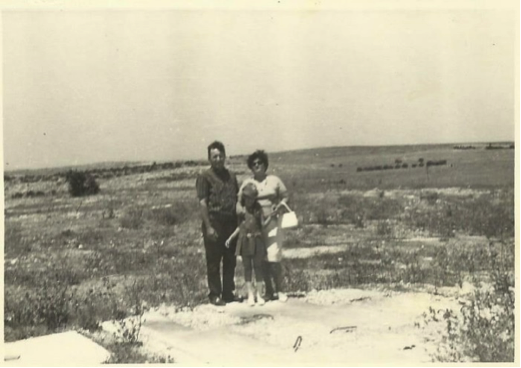
מחשבותיי התמקדו על הבית שנישאר בעטרות. חברנו, הרצל גולן אירגן לנו אישורי כניסה, ותוך זמן קצר הינו עם הילדים שלעיתים שמעו את סיפורי בדרך למושב. אולם לאכזבתי הגדולה לא היה הרבה מה להראות, מאחר והערבים החריבו הכל, אפילו את בור המים, ואת החורשה עקרו עד אחרון העצים. וכך מהחלום הגדול והסיפורים נישאר להראות רק את שרידי רצפות הבתים ואת שדה התעופה שדווקא התפתח בתקופת הירדנים.
My thoughts focused upon the home that we had left behind in Atarot. Our friend, Hertzel Golan, organised special entrance permits, and within a short time we were with the kids – who every now and then heard stories – on our way to the moshav. However, much to our disappointment, there was little to see, for the Arabs had demolished everything, even the water tower and the plantation they uprooted to the last tree. And so from this great dream all that was left to show were the remnants of the tiled floors of homes and the airstrip that was actually developed further under Jordanian rule.
וזה מה שנישאר מביתנו בעטרות 1967 – and this is what was left from our home in Atarot in 1967
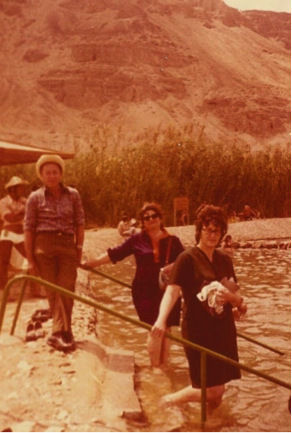
בעין פשחה עם חברתי אילה גולן – in `En Fashha with my friend Ayala Golan
בירושלים – in Jerusalem