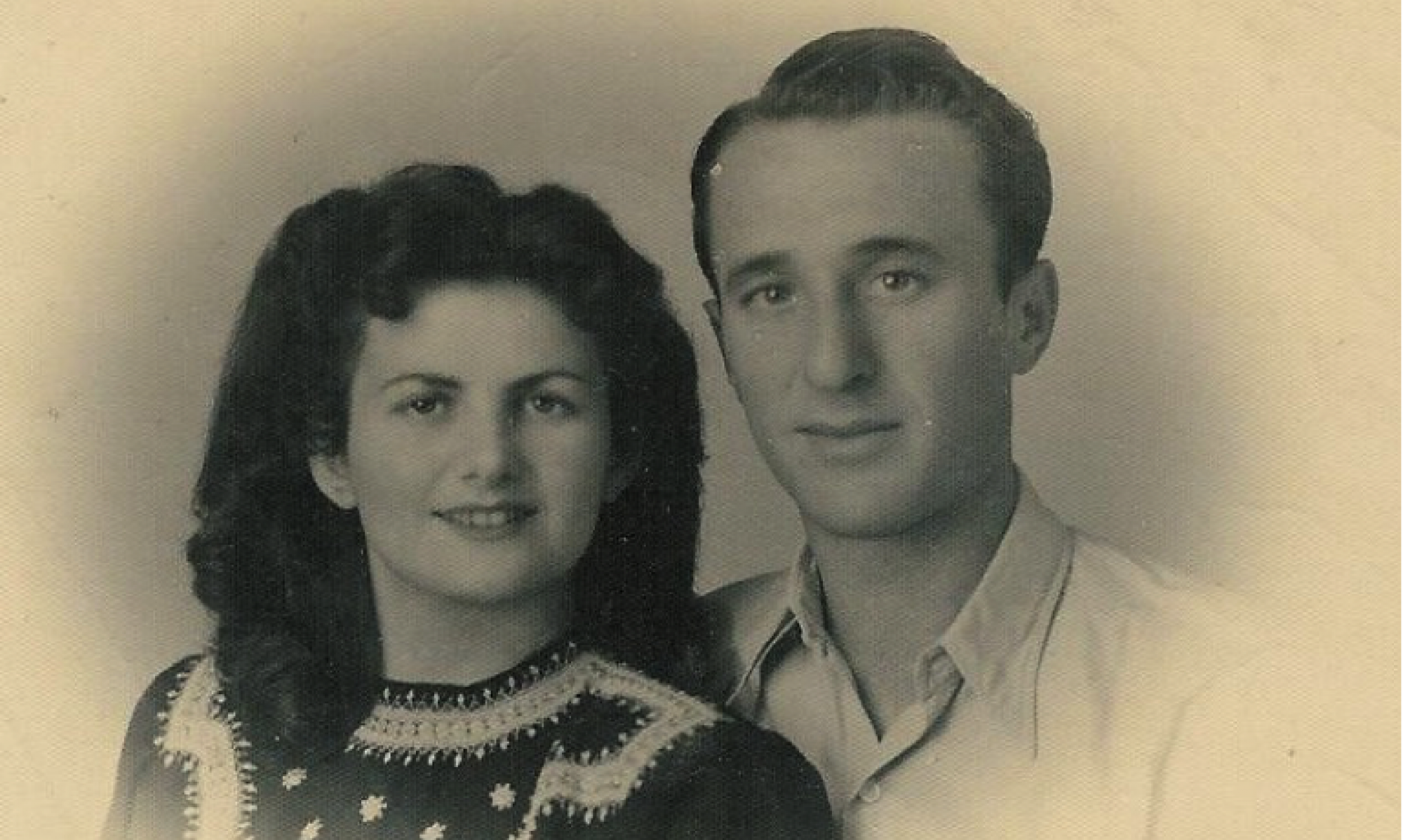
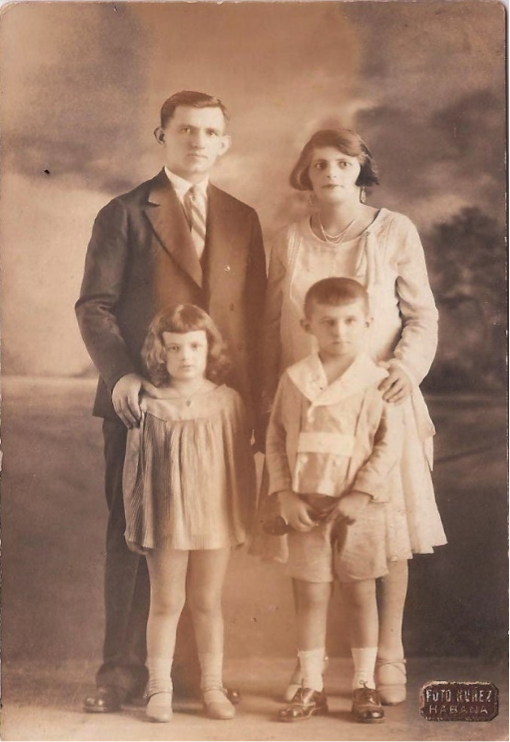
אני חנה, הבת של יעקב ופרידה, נולדתי בהוואנה שבקובה ב1926. הורי הגיעו מרוסיה ארבעה שנים קודם לכן, יעקב אבי היה מהפכן בולשביקי שלחם במהפכת אוקטובר הרוסית לצידו של טרוצקי המפורסם, ואף נפצע במהלך הקרבות עם כוחות המלוכה “הלבנים”. אולם מספר שנים לתום המהפכה ועליית הקומוניסטים לשלטון הוא התפקח והבין שהמהפכה לא הביאה למעשה לשום שינוי מעשי בחיי היום-יום של האיש הקטן.
I Hannah, daughter of Yaakov Segal and Frida Satanovsky, was born in Havana, Cuba, on January 24th, 1926. My parents arrived from Russia four years prior to this day, Yaakov my father was a Bolshevik revolutionary, who had fought in the Russian October revolution alongside the famed Trotsky, and was injured during one of the battles with the Royal White Forces. However, a few years after the revolution and the rise of the Communists to power, he awakened to the fact that the revolution had not brought any substantial change for the small everyday man.
יעקב ופרידה, אישתו הטריה וההרה החליטו לברוח ולהצטרף לבני משפחתו של אבי שהגרו כבר לפני המהפכה וחיו בארצות-הברית. הורי חצו את הגבול בלילה לפולין ובזמן ההמתנה להפלגה שתיקח אותם לאמריקה נולד צבי אחי הגדול. זמן קצר לאחר מכן הם עלו על האונייה והפליגו לניו-יורק. עם הגעתם הם רואינו ארוכות על ידי שילטונות ההגירה האמריקאים, וכשאלו גילו פרטים על עברו הקומוניסטי של אבי הם סורבו כניסה ונדרשו לעזוב. הוצע להם לעבור לקובה לתקופת “התקררות” של עשור שנים ואז לנסות להיכנס לארצות-הברית בשנית.
Yaakov and Frida, his new and pregnant wife decided to escape and join his father’s family members who had already migrated before the revolution and were now living in the United States. My parents crossed the Polish border at night, and while waiting to board the ship that would take them to America, my older brother Tzvi was born. A short while later they went aboard and sailed to New York. Upon their arrival they were interviewed by American immigration officials, and upon discovering details with regards to Yaakov’s communist past, they were refused entry. It was suggested to them that they go to Cuba for a decade of [ideological] cooling off, and then try to re-enter the U.S.A. a second time.
וכך בלית-ברירה, הם הגיעו להוואנה והקימו שם את ביתם. הורי הקימו בית מיסחר משגשג לבגדים אולם חייהם היו ריקים, ללא משפחה ואך מעט חברים, ואפילו הקהילה היהודית הספרדית המקומית הוותיקה והמסורתית התייחסה אליהם בחשדנות ואפילו בזלזול מה.
And so with little option they arrived in Havan, Cuba, and set up their home. My parents set up a successful textile company, however their lives were rather empty, without family and few friends, and even the local established Sephardic Jewish community treated them with suspicion and some derision.
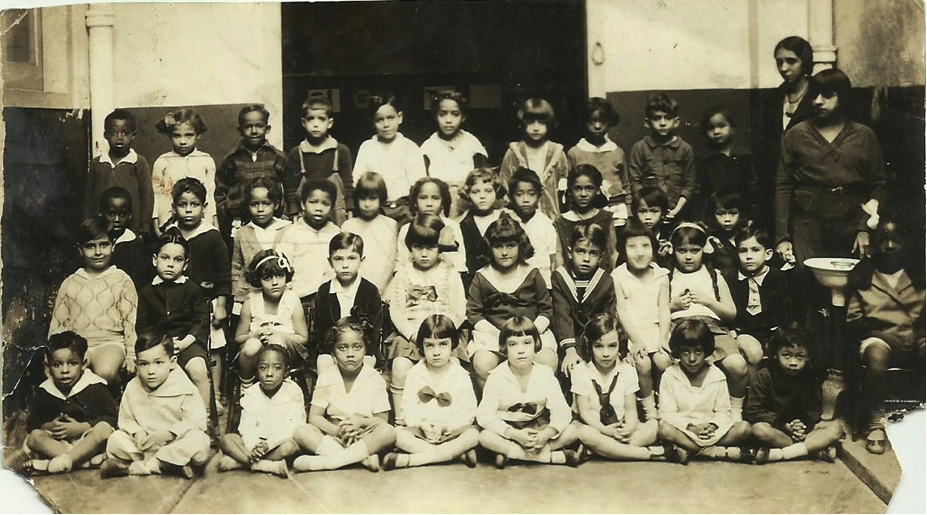
– in grade 1 at school in Havana בכיתה א בבית הספר בהוואנה
אני הבת בשמלת מלח, במרכז השורה השנייה מלמטה
I am the girl in the dark sailor dress , in the centre of the second row from the bottom, fifth spot in from the right.
בינתיים העסק שגשג ואני נולדתי. הם המשיכו לשמור על קשר עם ההורים, האחים והאחיות בארצות-הברית, וכשהאח הצעיר של אבי, מרדכי, התחתן ועלה כחלוץ לארץ, לקיבוץ כפר גילעדי, יעקב אבי התחיל לשנות את כיוון חלומו. בינתיים אני גדלתי עם מטפלת מולטית מקומית והייתי לילדה דוברת ספרדית רהוטה וכבר התחלתי ללמד בכיתה א בבית הספר המקומי. אולם יעקב ופרידה לא העריכו במיוחד את התרבות המקומית, בעיקר את ההתיחסות הקלילה והמתירנית למין, וחששו להשפעות השליליות על ילדיהם. וככה לאט לאט החלום לעבור לארצות-הברית הושם בצד, ואילו חלום חדש של עליה לפלשתינה החל להתרקם. וב 1932 כשהייתי בת שש, עלינו על אנייה והפלגנו ארצה דרך צרפת עם חניית ביניים במרסיי.
Meanwhile the business was growing and I was born. My parents continued to keep in contact with their parents, their brothers and sisters in the United States, and when Yaakov’s younger brother, Mordekhay, married and made aliyah as one of the pioneers in Kibbutz Kephar-Gil`adi, he began to change the direction of his dreams. In the meanwhile I was growing in the care of our Mulatto maid, I became fluent in Spanish and began to study in the first grade of the local school. However, my parents did not particularly appreciate the local culture, especially its casual and permissive attitudes towards relationships, and were concerned about the negative influence this could have upon their children. And so slowly slowly, their dream of migrating to the United States was relegated to the back-burner, and a new dream took hold: to make aliyah to Palestina. And in 1932, when I was six years old, we boarded a ship bound for Palestina, cruising via France, with a pit-stop in Marseilles.
Song about a Hannah from Havana 🙂 – שיר על חנה מהבנה
And its older counterpart – השיר המקורי